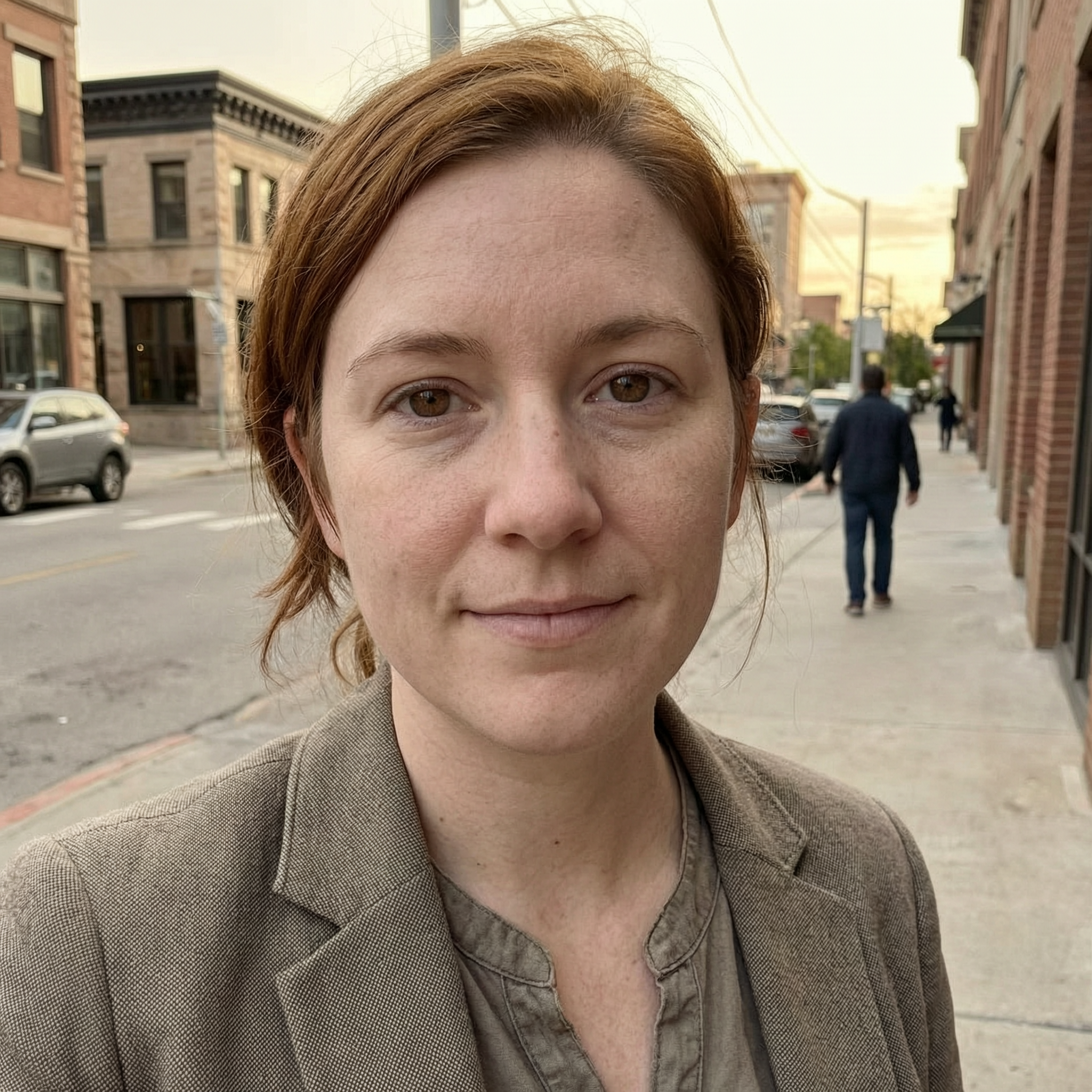
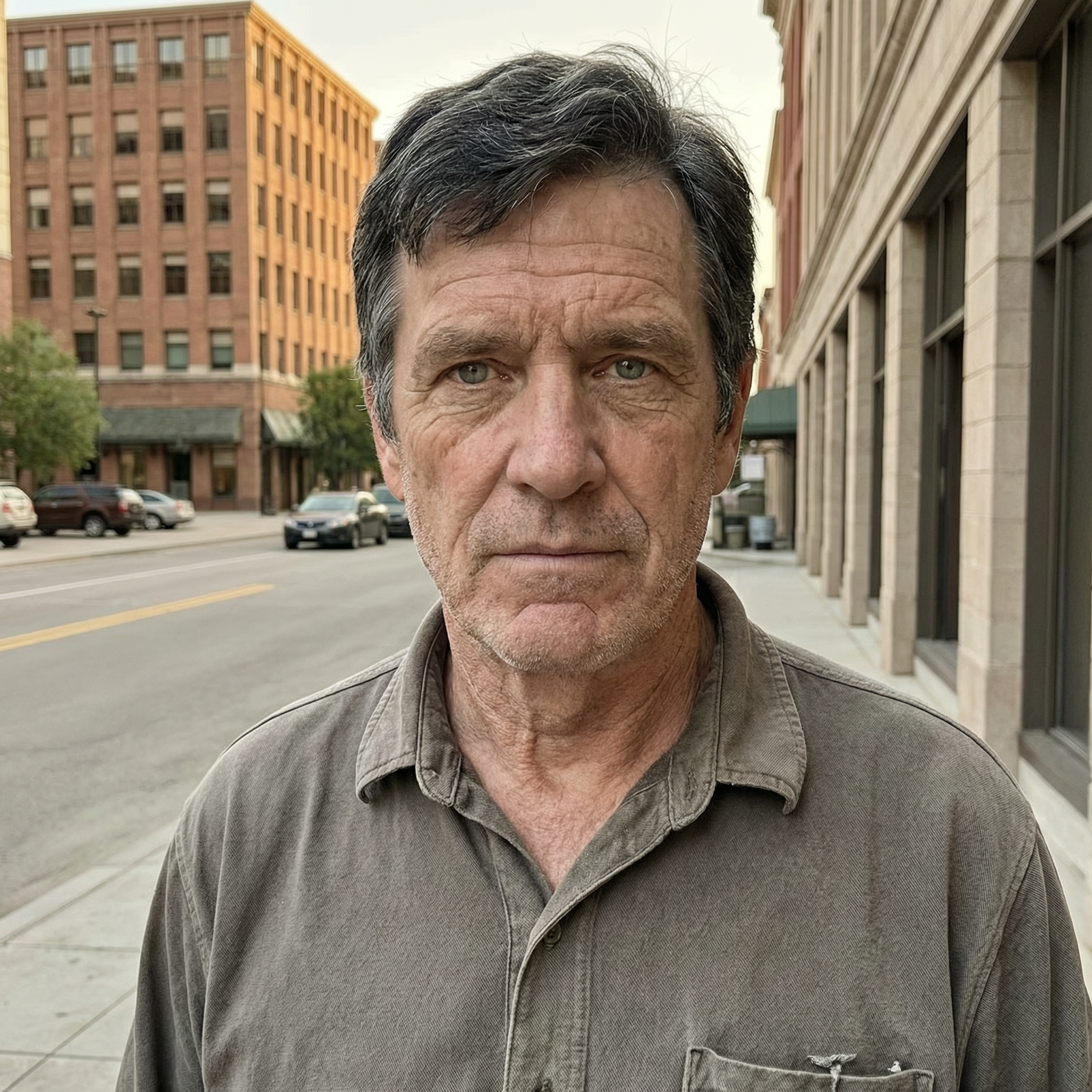
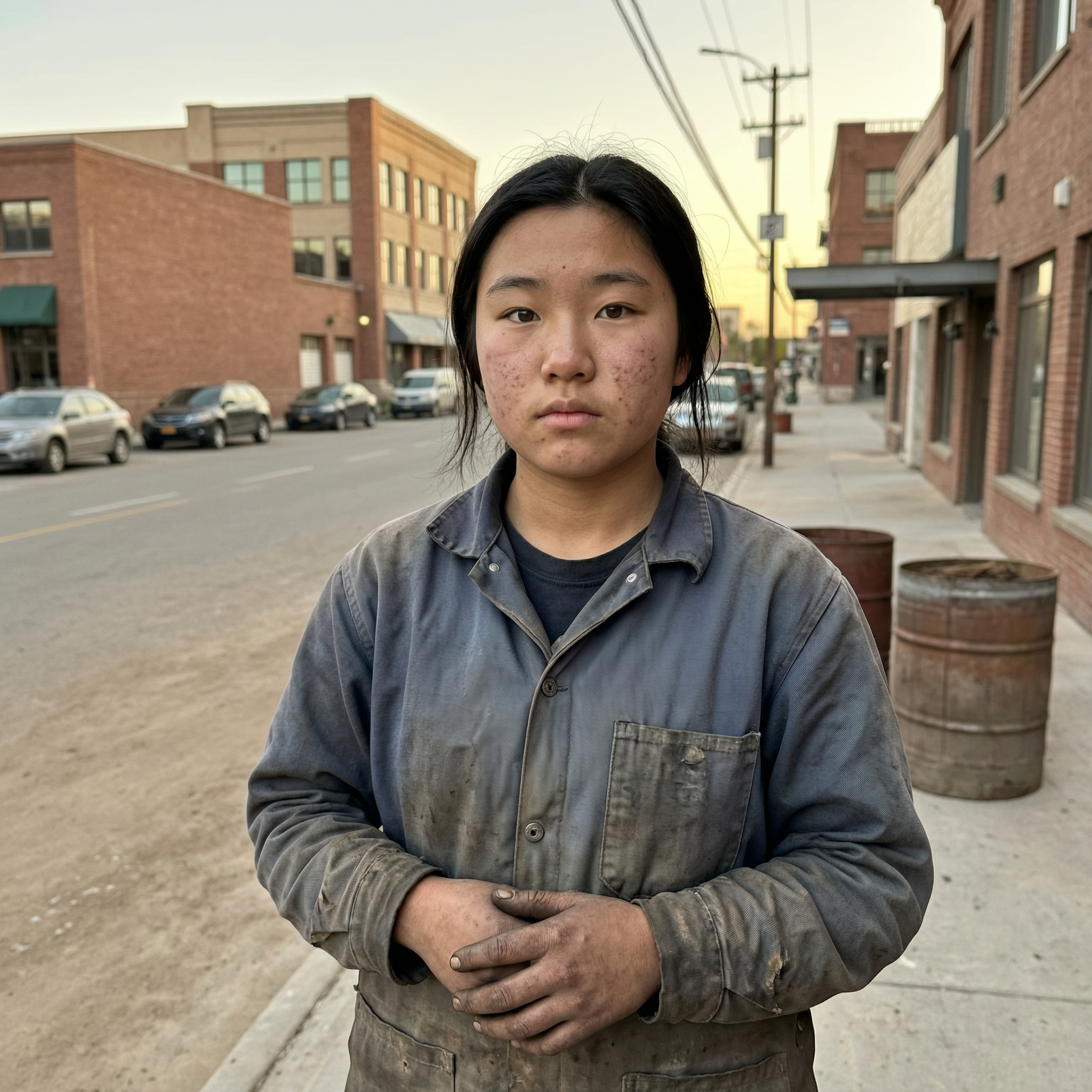
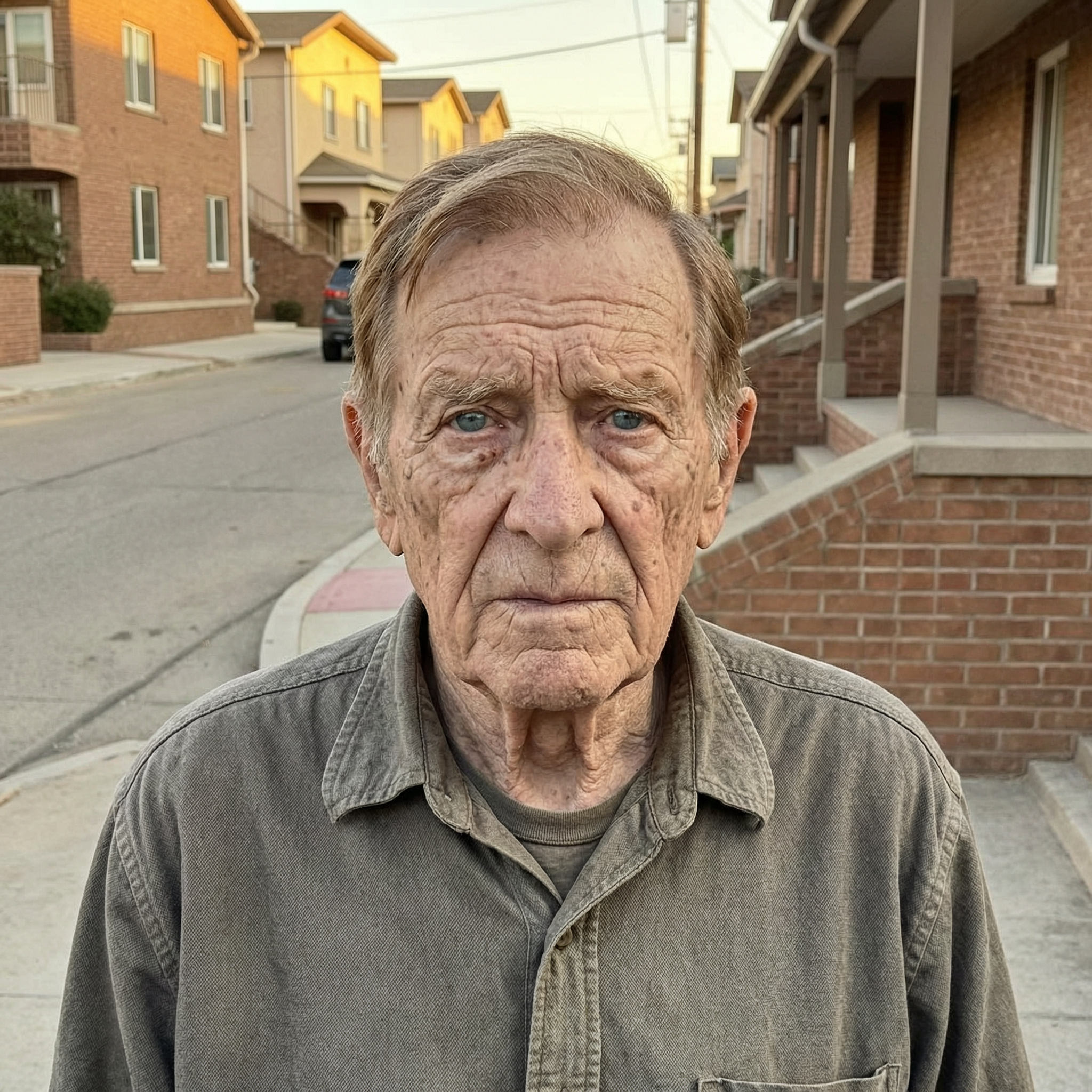
Enter the case ZIP code. Generate 100 locally aligned Synthros jurors with individual lives, beliefs, biases, context, cognition, and memory. Then choose the jury.
Before the courtroom. Before the next version of your argument.
Four connected cognitive components · Case-specific memory · Captured context and timestamps
ONE FICTIONAL CASE
What is your case leaving unanswered?
THE APPROVED RECORD
Two vehicles collide at an intersection.
Both drivers say the light was green.
The camera image does not show the signal.
Research question What evidence does this presentation leave unresolved?
ACTUAL MODEL RESPONSE · FICTIONAL TEST
“Still stuck on the missing signal in the camera image [S1]. Both drivers say they had the green, but we have no way to verify that.”
Aaron Brown Excerpt from his final response
THE QUESTION TO INVESTIGATE
What establishes the signal’s state at the time of the collision?
Excerpt from a twelve-juror cognitive test. Other responses in that run had vote/reason conflicts, which were flagged for review. This example is not a verdict prediction.
FOLLOW-UPS & CONTROLLED COMPARISONS
Ask why. Then test a change.
FOLLOW THE QUESTION
“What would help you assess the signal evidence?”
Ask the juror to elaborate on the recorded response. Explore the assumption, source, or unanswered question behind it.
Example follow-up prompt · No fabricated answer shown
CHANGE THE PRESENTATION
Add an authenticated signal-timing record.
Run the variation with the same panel and seed. Compare the reactions, questions, and source references.
Hypothetical variation · A result has not been claimed
Did the new material address the uncertainty—or reveal another one?
Comparisons preserve the panel and captured context; they stop if the checked model versions have changed. Inference can still vary.
WHAT YOUR TEAM TAKES AWAY
A working record for your next decision
Bring questions and competing interpretations back into case preparation.
01
From voir dire to deliberation
Prepare questions from the actual case pool, run independent panels, and follow initial and final views through discussion.
02
Strategy grounded in the record
Connect gaps, assumptions, source references, juror interviews, and presentation tests to the next case decision.
03
Settlement and trial work
Bring the approved case, jury research, settlement positions, trial developments, and docket into one case workbench.
04
A professional case record
Return to individual jurors, ask Alvin, and save reports as polished PDFs with their supporting record.
Bring the responses, source references, and questions back into your team’s case preparation.
ONE JUROR FOUNDATION · TWO WAYS TO ADOPT IT
Choose how your firm uses Case Lab
SELF-SERVE CREDITS
Start with a case
$1per Case Lab credit
100credits to generate a jury pool
Then use 25–50 credits for voir dire strategy, focus groups, batch panels, deliberation, interviews, settlement analysis, extended studies, or presentation tests.
 case labBY SYNTHROSPRODUCT PRESENTATION