A person before the case.
Household, work, finances, health, relationships, experiences, goals, fears, and responsibilities.
 case labBY SYNTHROSOpen workspace ↗
BUILD A LOCAL SYNTHROS JURY BY ZIP CODE
Enter the case ZIP code and generate 100 Census-aligned Synthros jurors. Each is a complete, context-aware persona with an individual life, personality, beliefs, biases, information habits, cognition, and memory—not a demographic row.
Explore every profile. Choose the jurors. Keep the pool with the case.
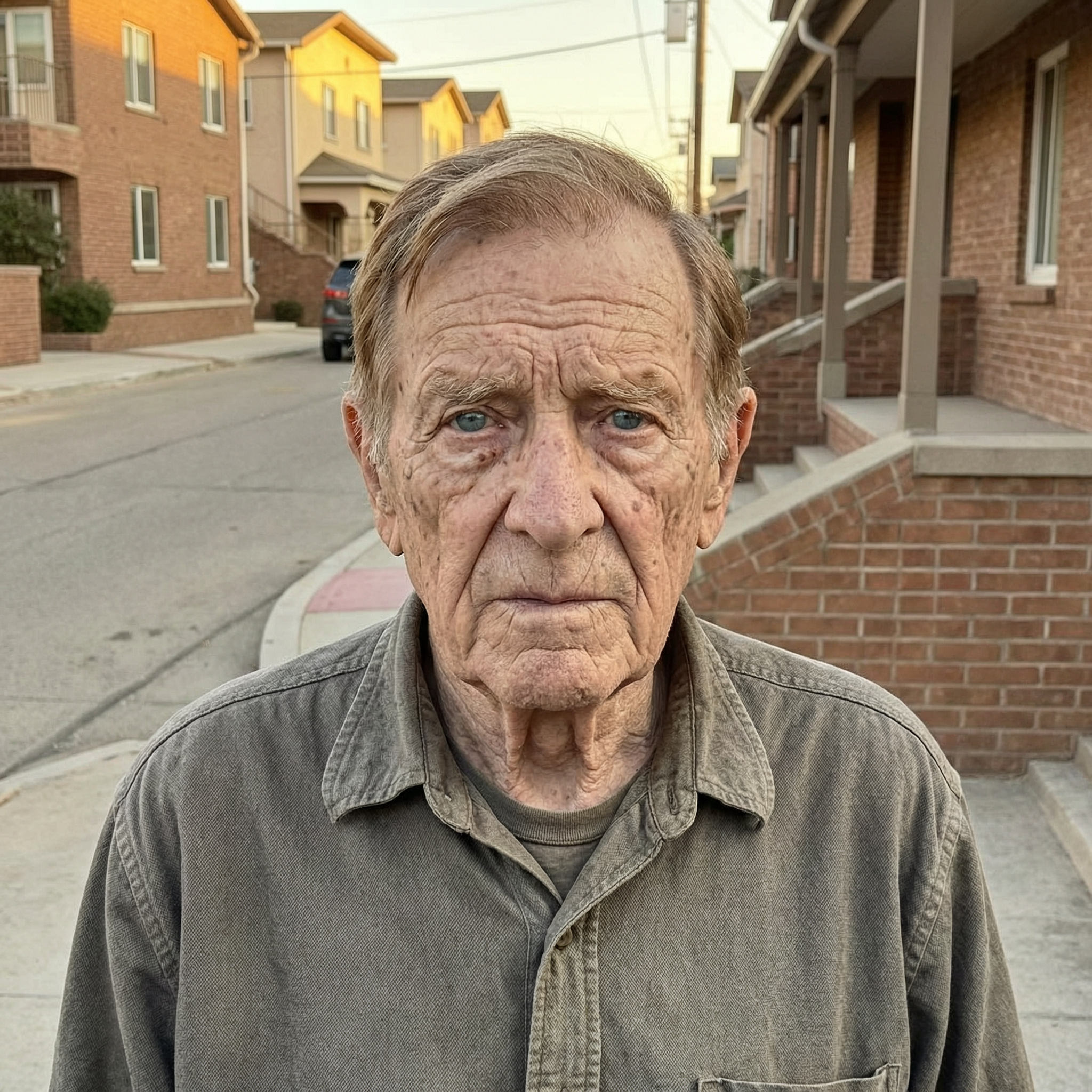
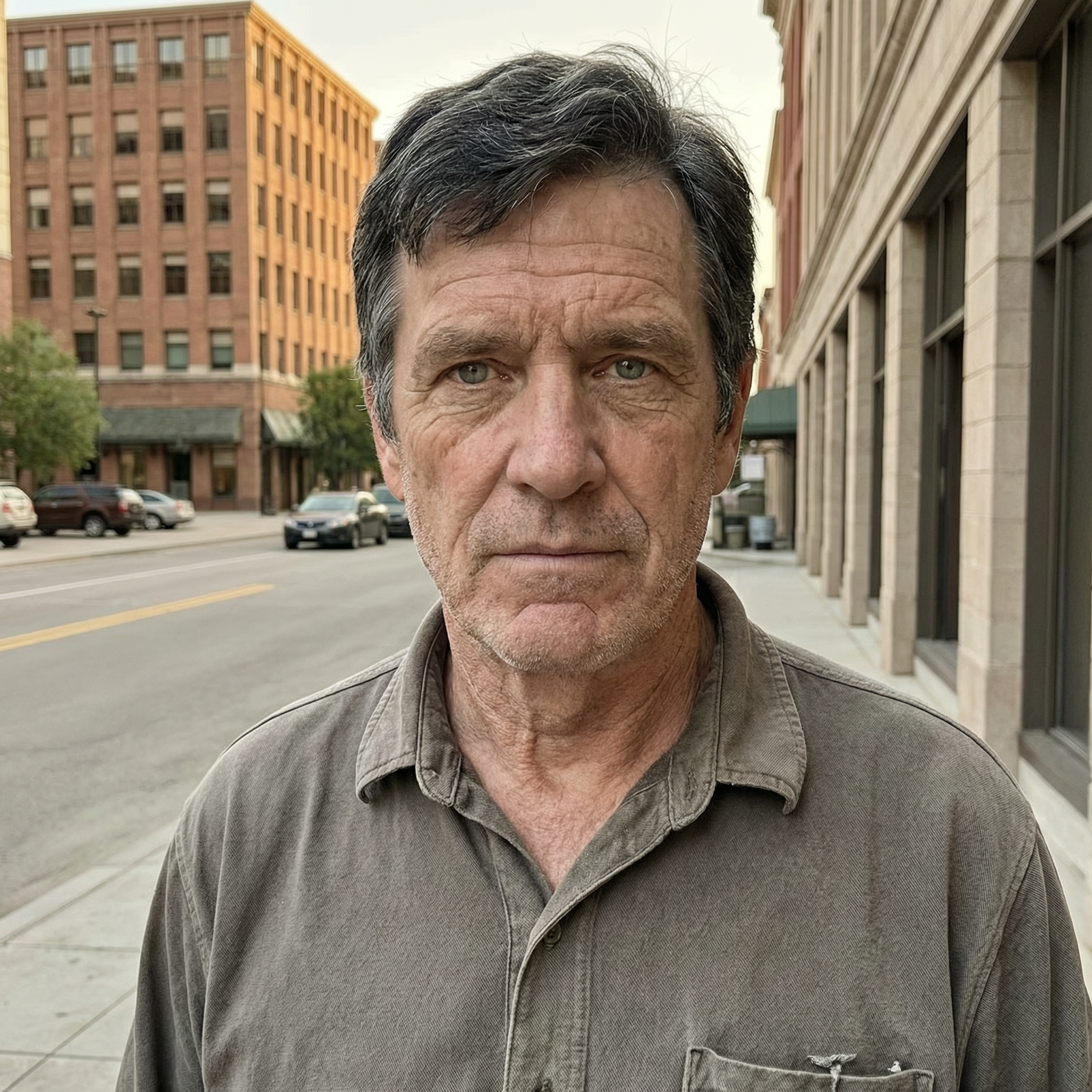
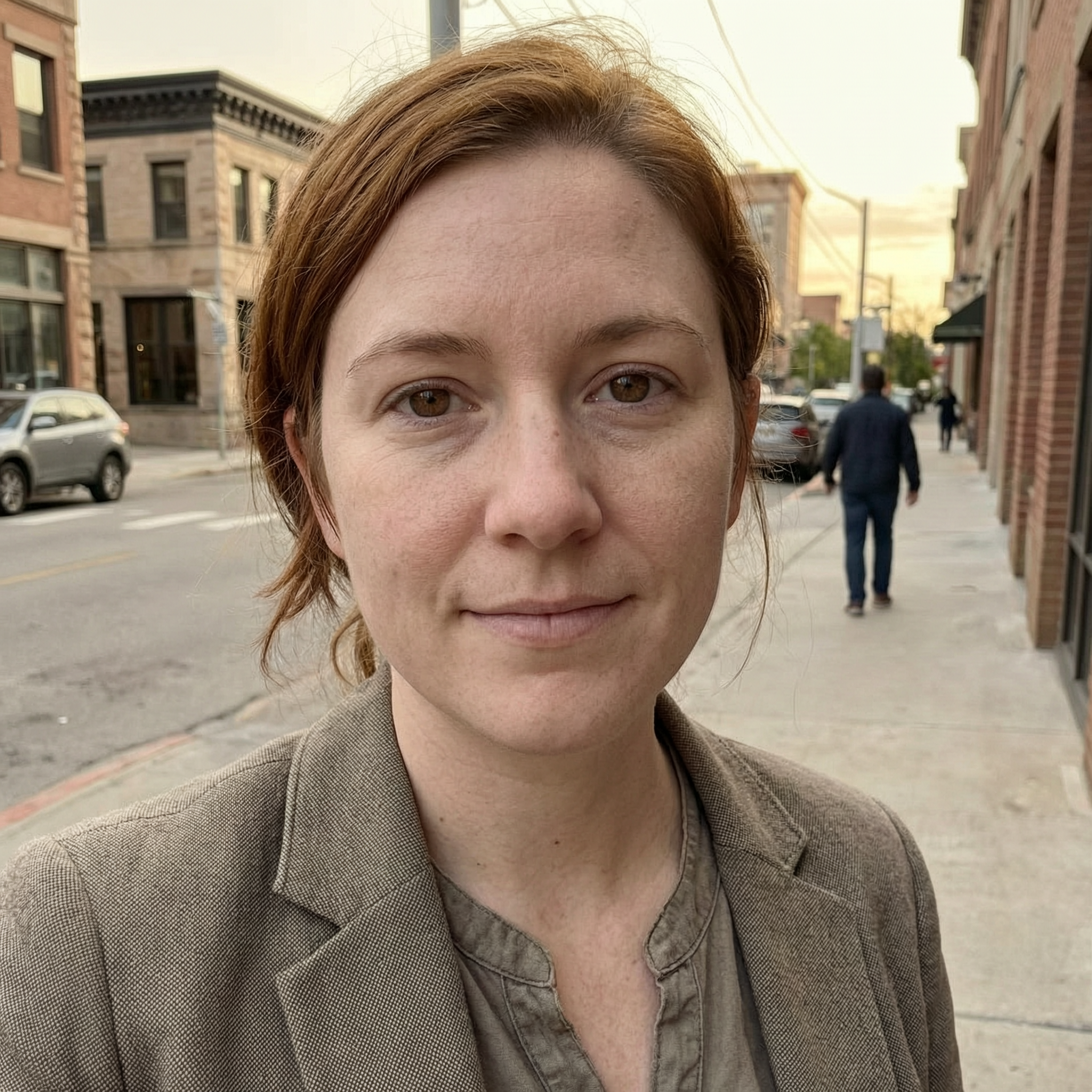
Life. Context. Memory.
Follow the perspective as it develops.
THE SYNTHROS DIFFERENCE
Census alignment establishes the local foundation. Synthros builds the person: the life, pressures, worldview, predispositions, social setting, and cognitive continuity that shape how evidence is received.
Household, work, finances, health, relationships, experiences, goals, fears, and responsibilities.
Values, trust patterns, legal attitudes, media habits, assumptions, and cognitive predispositions.
Local and national context, private reflection, short-term memory, long-term memory, discussion, and adaptation.
FROM ZIP CODE TO JURY POOL
Enter a five-digit U.S. ZIP code. Case Lab uses local Census estimates to generate a pool of 100 adult Synthros jurors for that case, each with an individual portrait and inspectable profile.
Open their lives, beliefs, biases, personality, relationships, information environment, and cognitive architecture. Select the people you want for the jury, then use that same case-owned pool across voir dire planning, focus groups, batch panels, deliberation, interviews, and presentation tests. Keep settlement analysis, the trial record, docket, and reports in the same case workbench.
See how a local Synthros jury is built ↗MEET YOUR PANEL
Open a juror’s world: life circumstances, worldview, media habits, beliefs, biases, and personality. Each profile is a persistent Synthros identity whose context, cognition, and case memory shape the response.
FROM PRESENTATION TO PERSPECTIVE
Generate 100 locally aligned Synthros jurors, explore every portrait and complete persona, then choose the jury for the case.
Bring the facts, evidence, testimony, and arguments into voir dire planning, focus groups, independent batch panels, a twelve-juror deliberation, or individual interviews.
Follow private reflection, discussion, memory, belief, and bias. Test presentation changes, connect the research to settlement strategy, and carry the record into trial.
BUILT FOR AN INSPECTABLE PROCESS
A useful finding should lead you back to the material behind it.
Explore our approachEvery run saves its approved brief, source excerpts, selected profiles, and model identities.
Return to an individual juror to explore the reasoning recorded in that analysis.
Keep your panel and seed when testing a variation. Review the changes alongside possible model variability.
BUILD THE JURY FOR YOUR CASE